
Science & Health
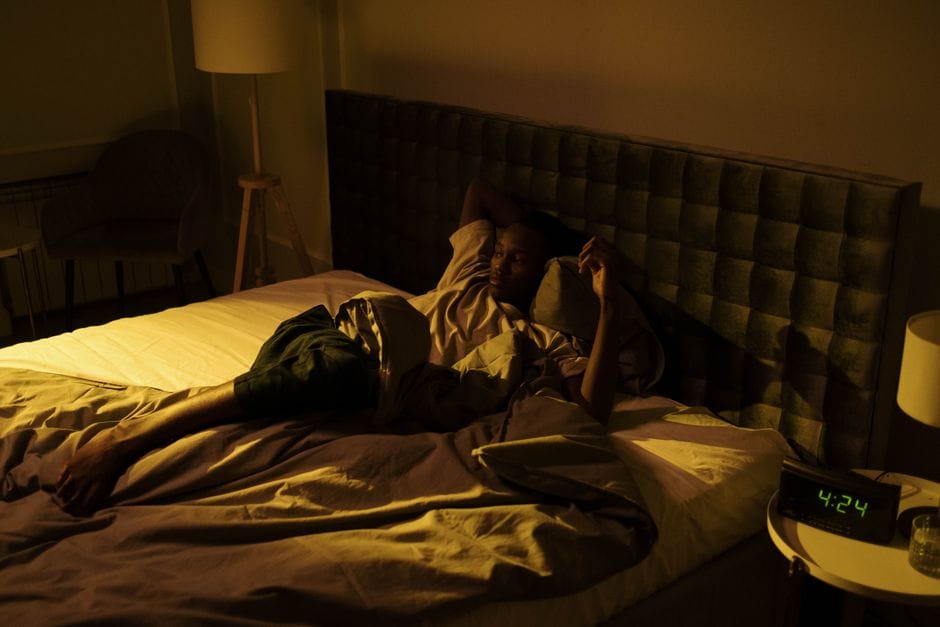
The idea is intuitive enough. Cannabis relaxes you. Relaxed people sleep. Therefore, cannabis helps with sleep. Millions of consumers across Europe and beyond have reasoned exactly this way, often after years of frustration with conventional sleep aids. The science, however, has not yet caught up with the anecdote — and a fresh look at the clinical trial record makes that gap uncomfortably clear.
A review of nine randomised controlled trials examining medical cannabis as a treatment for insomnia — reported by Medical Daily — found little to no consistent benefit across the studies. The trials assessed a range of cannabinoid-based preparations against placebo or active comparators, and the pooled picture was underwhelming: patients did not sleep significantly better, and in some cases reported adverse effects including grogginess and next-day impairment.
Why the Evidence Is Weak — Not Damning
Nine trials sounds like a reasonable dataset. In sleep medicine, it is not. Research on established insomnia pharmacotherapy — such as z-drugs or melatonin receptor agonists — rests on hundreds of trials conducted over decades. Nine small studies, often with different cannabinoid formulations, different dosing protocols, different patient populations, and different outcome measures, cannot yet answer the underlying question with confidence.
This matters enormously for how we interpret the findings. A negative result in a poorly powered trial is not proof that cannabis does not help with sleep. It is proof that, under those specific conditions, a statistically significant benefit was not detected. The distinction is not pedantic — it determines whether clinicians should dismiss the question entirely or invest in better-designed research.
Methodological limitations compound the problem. Blinding participants in cannabinoid trials is notoriously difficult: THC (tetrahydrocannabinol, the primary psychoactive compound in cannabis) produces perceptible effects that make it hard for participants to remain unaware of whether they received an active treatment or a placebo. When blinding fails, placebo responses shift, and trial results become harder to interpret. None of this means the research is fraudulent — only that the field faces structural challenges that standard pharmaceutical trial design does not fully solve.
What We Know About Cannabis and Sleep Biology
The biological plausibility for a cannabis-sleep relationship is not invented. The endocannabinoid system — the body's network of receptors and signalling molecules that cannabinoids interact with — plays a documented role in regulating sleep-wake cycles. CB1 receptors, which THC activates directly, are concentrated in brain regions involved in sleep architecture, including the hypothalamus and brainstem. Separate research has suggested that the endocannabinoid 2-AG (2-arachidonoylglycerol) fluctuates across the sleep cycle in ways that hint at a functional role.
CBD (cannabidiol), the non-intoxicating compound increasingly present in licensed medical and consumer cannabis products across Europe, has attracted interest as a possible anxiolytic — and since anxiety is a major driver of insomnia, an indirect pathway to better sleep is plausible. But plausibility is a hypothesis, not a finding. The clinical trial record for CBD on sleep outcomes is similarly thin.
A Relevant Question for Mediterranean Consumers
For adults in Malta navigating the country's regulated cannabis framework under Chapter 628 of the Laws of Malta — which permits adult-use cannabis through licensed Cannabis Harm Reduction Associations (CHRAs) and maintains a separate medical pathway — questions about cannabis and sleep are not abstract. Anecdotally, sleep and stress relief are among the most commonly cited reasons adults choose to use cannabis. That gap between consumer motivation and clinical evidence is something the harm reduction community has a responsibility to take seriously.
Healthcare professionals working in Malta and across the Mediterranean are unlikely to recommend cannabis for insomnia on current evidence — and on that narrow point, the nine-trial review is reasonable grounds for caution. But the conversation that follows should be nuanced. Telling a patient that cannabis has "no benefit" for sleep overstates what weak evidence can support. Telling them that more rigorous research is needed, and that their individual experience may not generalise to clinical populations, is closer to honest.
What Good Research Would Look Like
Researchers in this space generally agree on what is missing: larger sample sizes, standardised cannabinoid formulations with verified THC and CBD content, longer treatment durations, validated polysomnography (objective sleep monitoring, not just self-report), and pre-registered trial designs that reduce the risk of selective outcome reporting. Some of this work is underway in Europe and Israel, where medical cannabis research infrastructure has grown meaningfully over the past decade.
Until that evidence arrives, the honest position is uncertainty — not dismissal, and not endorsement. Cannabis may help some people sleep under some conditions. It may worsen sleep in others, particularly with heavy or prolonged use, where tolerance to THC's sedative properties tends to develop. The nine-trial review does not close that question. It simply confirms that we have not yet asked it well enough.
Sleep is one of the most consequential things a human body does. It deserves better-designed trials than the field has managed so far — and that observation applies to cannabis research as much as any other emerging area of sleep medicine.
Sources:
Medical Daily (publication name cited; URL not resolvable past aggregator)
Featured image: Photo by cottonbro studio on Pexels
Members Discussion