
News
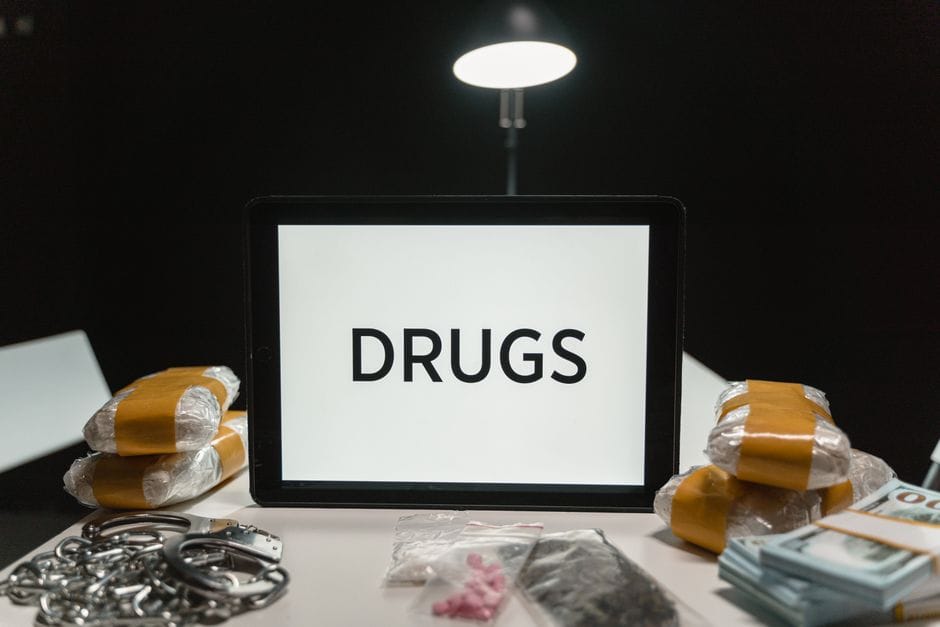
Two men have been charged in connection with a significant drug seizure in Malta involving approximately 15 kilograms of cannabis alongside a quantity of cocaine, according to a report by the Times of Malta. While details of the case remain limited at this stage — charges have been filed and proceedings are before the courts — the incident is a reminder that illicit supply chains continue to operate in parallel with Malta's regulated adult-use cannabis framework.
What the Seizure Tells Us About the Illicit Market
Malta's 2021 cannabis reform, codified under Chapter 628 of the Laws of Malta, established a legal pathway for adult cannabis consumption through a network of licensed Cannabis Harm Reduction Associations (CHRAs), overseen by ARUC (Authority on the Responsible Use of Cannabis), the country's dedicated cannabis regulator. The framework was designed, in part, to reduce consumer reliance on unregulated supply — the kind of supply that cases like this one represent.
A seizure of 15 kilograms is not a minor street-level haul. At that volume, cannabis is typically associated with distribution-level activity rather than personal use. The co-presence of cocaine in the same seizure is also notable: it points to a supply operation dealing in multiple controlled substances simultaneously, which is categorically different from the adult-use cannabis market the CHRA framework was built to serve. Cannabis and cocaine occupy entirely separate legal, pharmacological, and regulatory categories, and conflating them — as press coverage of such cases sometimes risks doing — does a disservice to informed public understanding.
The Regulated Alternative
For Maltese adults who consume cannabis, the CHRA model offers a legal, harm-reduction-oriented alternative to the illicit market. CHRAs are non-profit associations that can distribute cannabis to their members within limits set by ARUC — up to 7 grams per day and 50 grams per month per member, with cannabis required to meet testing and contaminant thresholds before distribution. Our guide to Malta cannabis law sets out the full framework for consumers who want to understand their rights and options under Chapter 628.
The existence of a regulated pathway, however, does not automatically eliminate the illicit market. Economists and harm reduction researchers broadly agree that regulated markets suppress — but rarely eliminate — illicit supply, particularly in the short to medium term after reform. Price differentials, access barriers such as CHRA membership requirements or geographic availability, and consumer habits built up over years of prohibition all contribute to illicit market persistence.
What Happens Next in Court
The two men charged are entitled to due process, and The Mediterranean Leaf will not speculate on guilt or motive ahead of court proceedings. Malta's judicial process will determine the facts. What is worth noting is that charges at this scale typically involve serious criminal penalties under Maltese law, which distinguishes sharply between personal possession — decriminalised under the 2021 reform for quantities up to 7 grams — and trafficking or distribution-level activity, which remains a criminal offence regardless of substance.
Members of Malta's cannabis community, including those operating within or participating in the CHRA framework, have consistently argued that robust regulation is the most effective tool for reducing the harms associated with unregulated supply — to consumers, to communities, and to public health. Cases like this one, where significant quantities move outside any regulated channel, are precisely the scenario that advocates of the CHRA model point to when making that argument.
Broader Context
Malta is not alone in grappling with illicit market persistence post-reform. Across Europe, jurisdictions that have moved toward regulated cannabis frameworks — including Germany's phased adult-use reform and the long-established Spanish cannabis social club model — continue to see law enforcement activity targeting unregulated supply. The European Union Drugs Agency (EUDA), the EU's dedicated drug monitoring body, has noted in successive annual reports that regulated markets require time, policy refinement, and consumer trust before they can meaningfully displace illicit alternatives.
For Malta's regulators and policymakers, each enforcement action in the unregulated space is also data — an indicator of where the legal framework is not yet reaching consumers who might otherwise choose a regulated option. Whether that points to gaps in CHRA accessibility, pricing, or public awareness is a question worth ongoing policy attention.
Two people are before the courts, cocaine and cannabis have been removed from circulation outside the regulated framework, and Malta's legal cannabis model continues to operate alongside an illicit market it has not yet fully displaced. The story of how that gap closes — or widens — will be one of the defining policy questions for Malta's cannabis sector in the years ahead.
Sources:
Times of Malta (print/online report, no URL available)
Featured image: Photo by MART PRODUCTION on Pexels
Members Discussion